

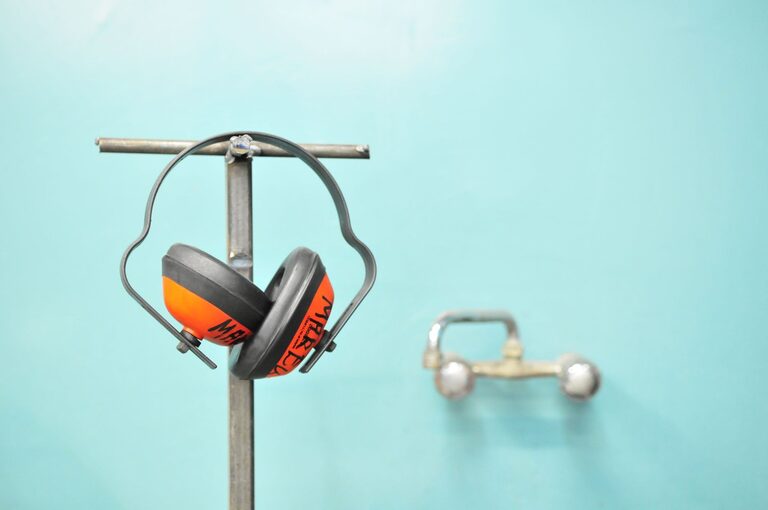
Living in a noisy environment can be stressful and disruptive, whether the sounds come from outside traffic, neighbors, or household activity. Fortunately, there are several simple and affordable ways to reduce noise at home, helping you enjoy a more peaceful and comfortable space. In this post, we’ll explore practical tips and solutions that anyone can implement without major renovations.
Why Reducing Noise at Home Matters
Excessive noise can affect your sleep, concentration, and overall well-being. By taking steps to reduce noise, you can:
– Improve your mental health and reduce stress
– Enhance your ability to focus and be productive
– Create a better environment for rest and relaxation
– Increase privacy within your home
Now, let’s look at some straightforward ways to achieve these benefits.
Identify the Source of Noise
Before you start, it’s helpful to determine where the noise is coming from:
– Outside noise: traffic, construction, neighbors, pets
– Inside noise: appliances, electronics, conversations, footsteps
Knowing the source will help you choose the most effective solutions.
Simple Methods to Reduce Noise
1. Use Soft Furnishings to Absorb Sound
Hard surfaces reflect sound, while soft materials absorb it and reduce echo.
– Add rugs or carpets to bare floors
– Use heavy curtains or drapes on windows
– Place upholstered furniture like sofas and armchairs strategically
– Hang fabric wall art or tapestries
These items help dampen noise and make a room feel quieter.
2. Seal Gaps and Cracks
Noise can easily enter through small openings around doors and windows.
– Install weatherstripping on doors and window frames
– Use draft stoppers at the bottom of doors
– Fill gaps or cracks with caulk or sealant
Improving the seal around openings can block unwanted sounds from getting in.
3. Rearrange Your Furniture
Furniture can act as a sound barrier when arranged thoughtfully.
– Place bookshelves or large cabinets against walls that face noisy areas
– Use furniture to create separate zones, reducing noise travel
– Avoid placing seating near noisy appliances or electronics
This simple step can reduce sound levels without additional materials.
4. Use White Noise Machines or Fans
Sometimes masking noise is easier than blocking it entirely.
– White noise machines generate consistent sounds to cover disruptive noises
– Fans or air purifiers can create ambient background noise
These devices help create a calm environment, especially in bedrooms or workspaces.
5. Add Door and Window Treatments
Specialized treatments can significantly reduce noise transmission.
– Consider double-glazed windows or storm windows for better insulation
– Install solid core doors instead of hollow ones for better soundproofing
– Use soundproof curtains specifically designed to block noise
While these options may require some investment, they offer lasting benefits.
6. Minimize Noise From Electronics and Appliances
Some household devices create constant background noise.
– Place appliances like washing machines and dishwashers on vibration pads
– Turn off unnecessary electronics or use headphones when possible
– Maintain appliances regularly to avoid rattling or loud operation
Reducing internal noise sources contributes to an overall quieter home.
7. Create a Quiet Room or Nook
Designating a specific space for relaxation or work can help.
– Choose a room or corner away from busy areas
– Use room dividers or curtains to create boundaries
– Add soft furnishings and noise-absorbing elements
Having a dedicated quiet area supports mental rest and focus.
DIY Soundproofing Tips
For those comfortable with a bit of DIY, here are some budget-friendly soundproofing ideas:
– Attach mass loaded vinyl (MLV) barriers behind drywall or under flooring
– Add extra insulation inside walls or ceilings
– Use acoustic foam panels on walls or ceilings in noisy rooms
– Hang thick blankets or quilts over doors and windows when needed
These methods require more effort but can drastically reduce noise.
When to Consider Professional Help
If noise problems are severe and persistent, it might be worth consulting a professional.
– Acoustic experts can assess your home and recommend solutions
– Contractors can install advanced soundproofing materials
– Professionals can ensure that modifications meet building codes
This route is best for significant noise reduction needs or when remodeling.
Final Thoughts
Reducing noise at home doesn’t have to be complicated or expensive. By combining simple strategies like adding soft furnishings, sealing gaps, rearranging furniture, and masking sounds, you can create a more peaceful environment. Start with small changes and see how much quieter your space becomes—it makes a big difference in comfort and well-being.
Remember, a quieter home means a happier, more relaxed you!