

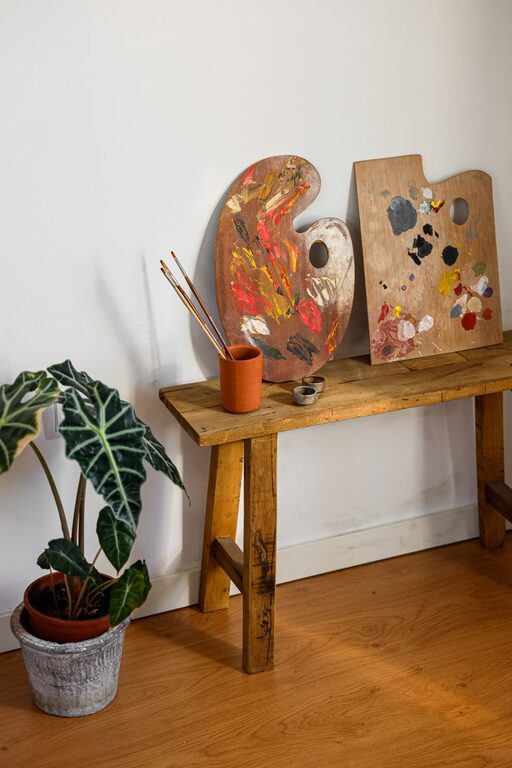
Creating a peaceful and relaxing environment in your home starts with the colors you choose for your walls and décor. Calm colors can transform any space into a soothing retreat where you can unwind after a busy day. If you are considering refreshing your home’s color scheme or starting from scratch, this post will guide you through the best tips for selecting calm colors that promote tranquility and comfort.
Why Choose Calm Colors?
Calm colors are shades that tend to reduce stress and create a sense of balance and harmony. Unlike bright, vibrant hues, calm colors help lower tension and promote relaxation. They work well in places where you want to feel at ease, such as living rooms, bedrooms, and reading nooks.
Common calm colors include soft blues, gentle greens, warm neutrals, and muted pastels. These colors often resemble natural elements like the sky, water, or soft earth tones, which our minds associate with peace and stability.
Tips for Choosing Calm Colors for Your Home
1. Consider the Mood You Want to Create
Before picking any color, think about the feeling you want each room to evoke. A bedroom might benefit from cool, soothing blues or greens that promote restful sleep. A living room can use warm neutrals like beige or soft gray to create a cozy and inviting space.
2. Use a Calming Color Palette
Choose a color palette that uses shades which complement each other without overwhelming the senses. Stick to two or three main colors and add different tones of those colors to maintain simplicity yet depth. For example, a palette of soft sage green, light cream, and gentle taupe can work beautifully together.
3. Test Colors with Natural Lighting
Lighting plays a major role in how colors appear in your home. Natural light versus artificial light can change a paint color’s look dramatically. Test your paint samples on different walls and observe them at different times of the day before committing. This helps you avoid colors that feel dull or harsh in certain lighting conditions.
4. Choose Matte or Satin Finishes
For calm colors, matte or satin paint finishes are often better choices than high gloss. These finishes reflect less light and create a softer, more soothing look on your walls.
5. Incorporate Texture to Add Warmth
Sometimes calm colors can feel flat if used on large surfaces without variation. Incorporate textures through fabrics, rugs, or wall treatments like wallpaper to add depth and interest while keeping the color scheme understated.
6. Think About the Room’s Function
Certain calm colors may be better suited to specific rooms based on their function:
– Bedroom: Soft blues, lavender, pale gray
– Living Room: Warm taupes, soft greens, light browns
– Bathroom: Light aquas, seafoam green, pale beige
– Office: Light grays, muted blues, soft whites
7. Use Accent Colors Sparingly
While calm colors generally dominate, strategically placed accents in a slightly stronger hue can add energy without disrupting the peaceful vibe. For instance, a teal pillow on a cream sofa or a muted coral vase on a sage green shelf can add visual interest.
8. Consider Your Existing Furniture and Decor
Your existing furniture and décor items should harmonize with the color scheme. If you have bold furniture pieces, calm wall colors can help balance the space. Conversely, if your furnishings are neutral, a soft color on the walls can add personality without overwhelming the room.
Popular Calm Colors to Explore
Here are some popular calm color choices to inspire you:
– Soft Blue: Often associated with calmness and serenity. Great for bedrooms and bathrooms.
– Sage Green: A gentle green with gray undertones that pairs well with natural materials.
– Warm Beige: Neutral and inviting, beige creates a cozy and timeless atmosphere.
– Lavender: A soft purple hue that brings a sense of relaxation and subtle charm.
– Pale Gray: Modern and versatile, pale gray is a great base color for calm interiors.
– Creamy White: Warmer than pure white, creamy tones look clean yet soft.
Final Thoughts
Choosing calm colors for your home involves more than picking pretty shades. It’s about creating an environment where you feel comfortable and relaxed every day. By considering the mood, lighting, room function, and existing décor, you can select colors that truly enhance your home’s peaceful ambiance.
Remember to take your time and test your options before making any big decisions. A calm color palette can make a significant difference in how you experience your living spaces, turning your house into a true retreat. Happy decorating!